
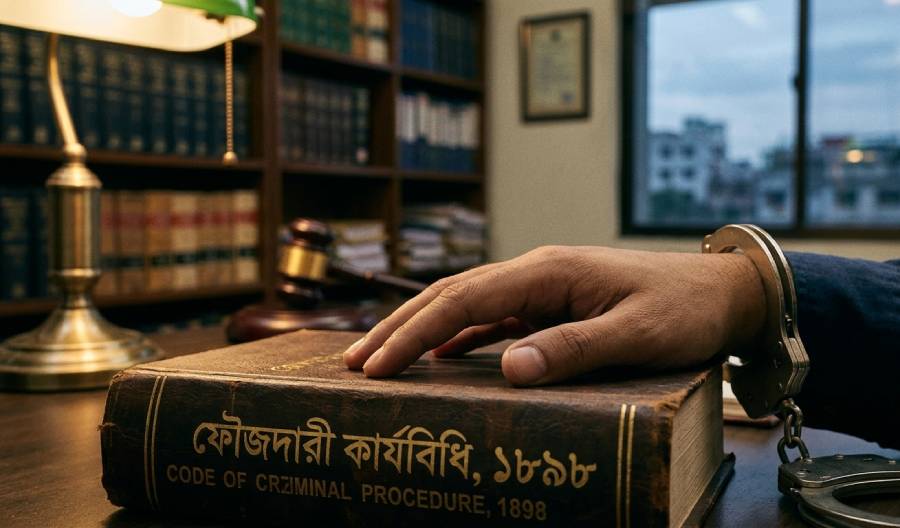
In Bangladesh, the legal framework for bail is primarily governed by the Code of Criminal Procedure (CrPC), 1898. Navigating the legal system can feel like a maze, but understanding the basic steps and categories is the first step toward securing liberty.
Whether you can get bail easily depends on how the alleged crime is classified in the Penal Code:
Bailable Offenses: Under Section 496, bail is considered a matter of right. If the offense is bailable, the court (or even the police officer in charge) is technically required to release the accused upon furnishing a bail bond.
Non-Bailable Offenses: Under Section 497, bail is a matter of court discretion. The court will look at the severity of the crime, the evidence, and the likelihood of the accused absconding or tampering with witnesses.
If you have a reasonable “apprehension of arrest” in a non-bailable case, you can apply for anticipatory bail under Section 498.
Where to file: Usually the High Court Division or the Court of Sessions.
Effect: It directs the police to release you on bail immediately if they attempt to arrest you.
This is a temporary bail granted for a short period while the main bail petition is still being considered or pending a final hearing.
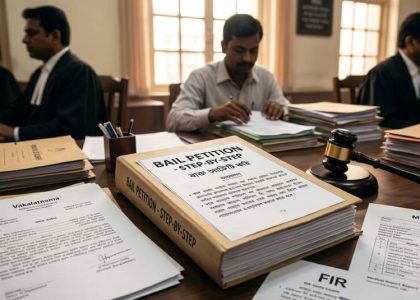
Once a person is arrested and produced before a Magistrate (within 24 hours of arrest), a formal bail petition is moved by a lawyer.
Appoint a Lawyer: You cannot effectively move a bail petition without a registered advocate. They will draft the petition citing the specific sections of the law.
Filing the Petition: Your lawyer files the application in the relevant court (Magistrate Court, Sessions Court, or High Court).
The Hearing: During the hearing, your lawyer argues why you should be released. Common arguments include:
The accused is innocent or falsely implicated.
The accused is a woman, a child, or a person with a serious illness (statutory grounds under Section 497).
There is no risk of the accused fleeing the country.
The Bail Order: If the judge is satisfied, they will grant a “Bail Order.”
Furnishing the Bail Bond: You must provide a Bail Bond (usually signed by a local “bailor” who takes responsibility for your appearance in court).
Release Order: Once the bond is accepted, the court issues a Release Order (Robkari) sent directly to the jail authorities.
Even in non-bailable cases, the court may grant bail if:
Gender/Age: The accused is a woman or under the age of 16.
Health: The accused is infirm or seriously ill.
Trial Delay: The trial is taking an unusually long time without the fault of the accused.
Lack of Evidence: There are no reasonable grounds to believe the accused committed a crime punishable by death or life imprisonment.